Save the Dates vs. Wedding Invitations: What's the Difference?
Written by Curator Candice Morales, owner and creative desginer of Adorable Design
One of the most common questions couples ask when they begin planning their wedding stationery is whether they need both Save the Dates and wedding invitations.
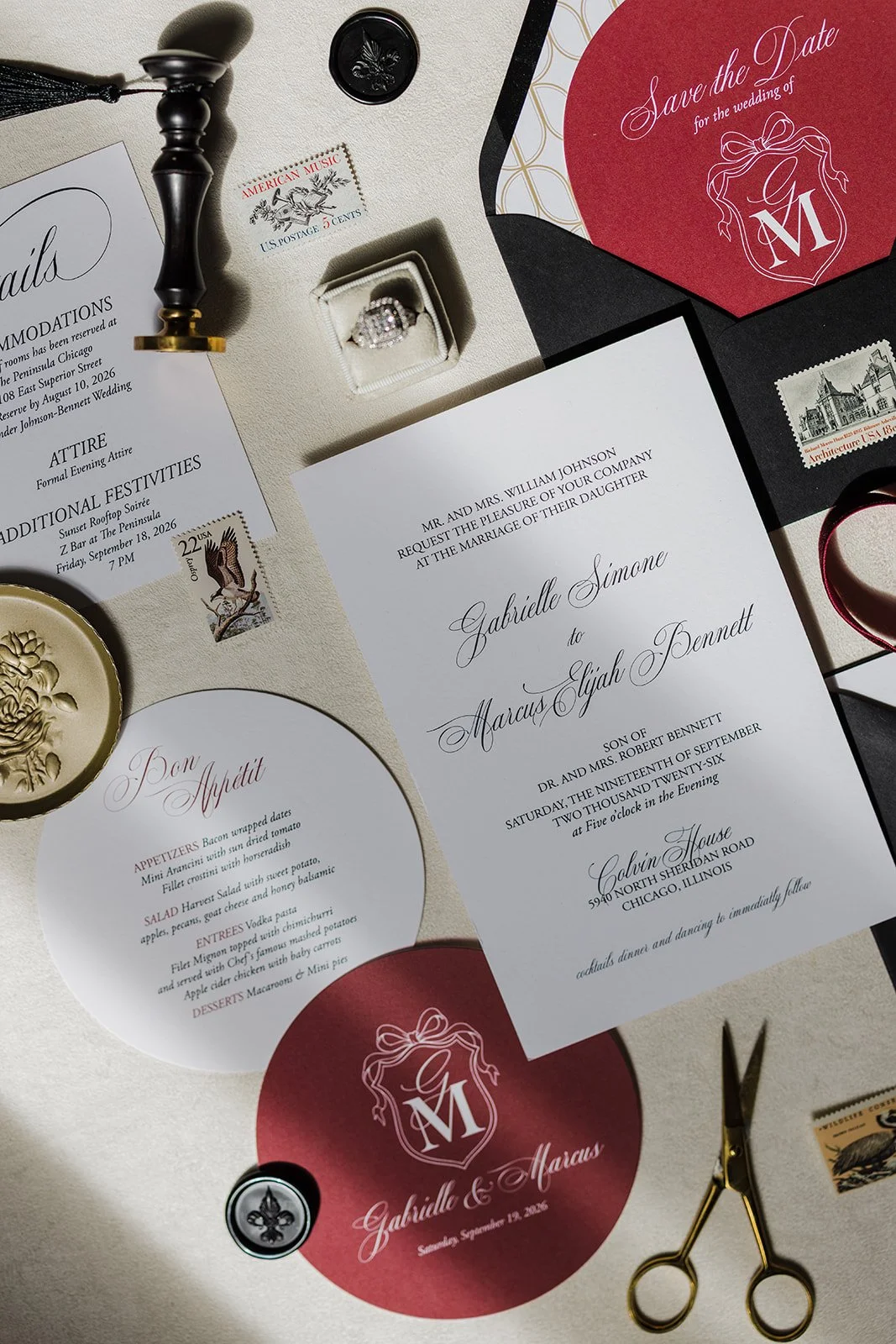
At first glance, they can seem like the same thing. After all, both tell guests about your wedding. So why send two separate pieces?
The answer is simple: they serve different purposes.
A Save the Date gives guests advance notice so they can reserve your wedding day on their calendar. A wedding invitation comes later and provides the details guests need to officially celebrate with you.
Understanding the role of each can help you decide what makes the most sense for your wedding, your timeline, and your guests.
What Is a Save the Date?
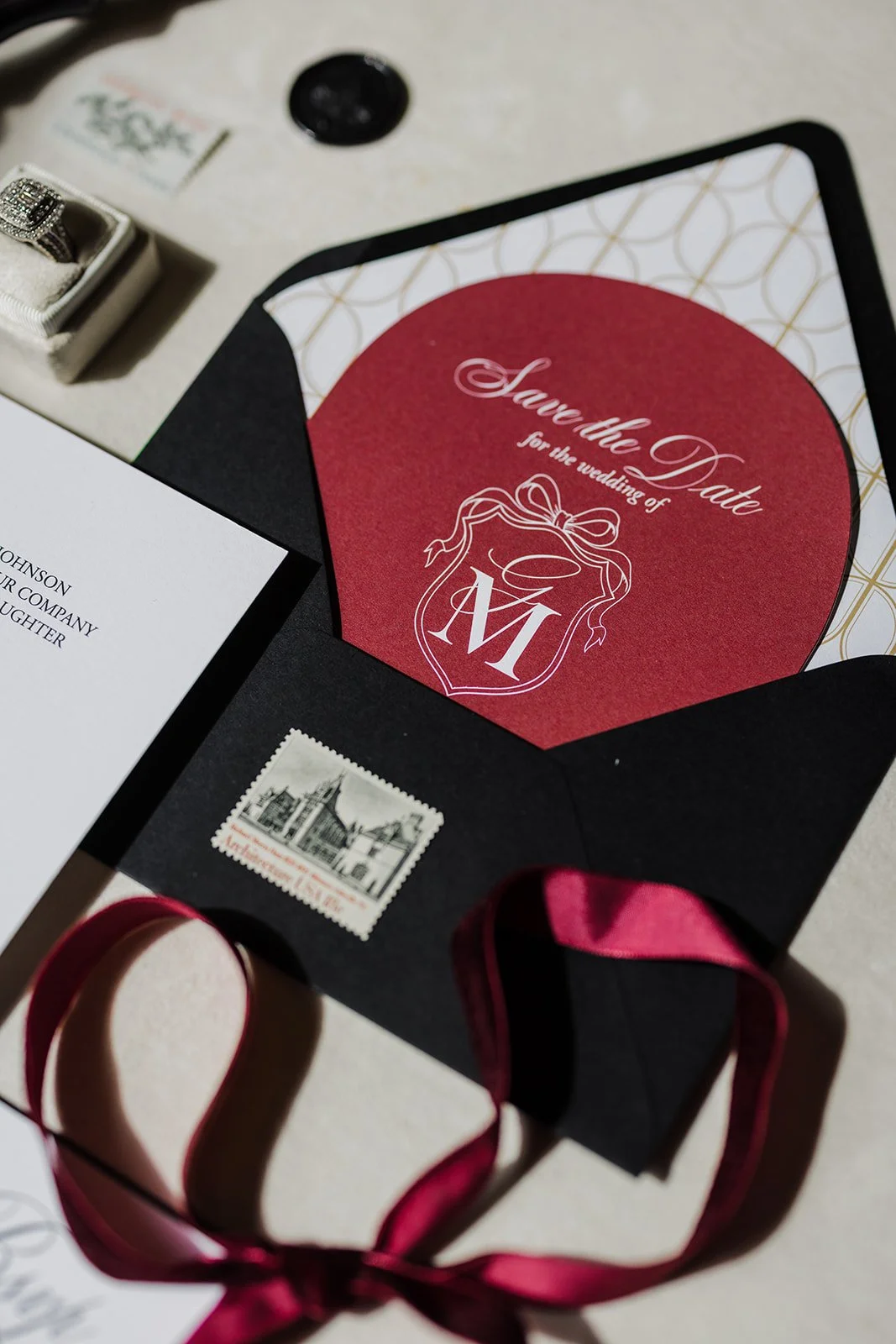
Think of a Save the Date as the first official announcement of your wedding.
Its purpose isn't to provide every detail. Instead, it's meant to let guests know when your wedding will take place so they can begin making plans.
Most Save the Dates include:
The couple's names
The wedding date
The city and state where the wedding will take place
A note that a formal invitation will follow
A wedding website, if available
That's it.
The goal is simply to give guests enough information to reserve the date before receiving the full invitation.
When Should Save the Dates Be Sent?
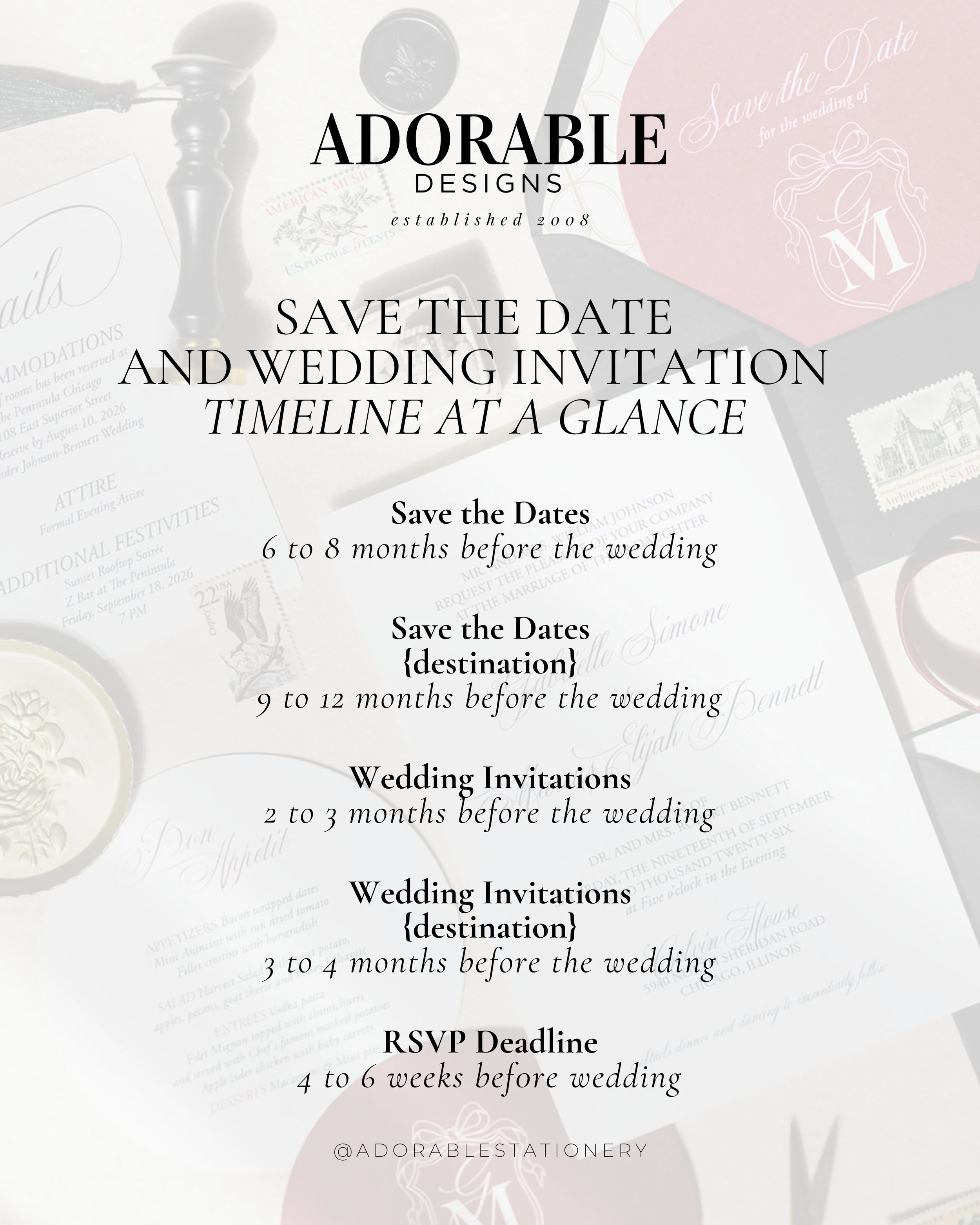
As a general rule, most couples send Save the Dates six to eight months before their wedding.
If you're planning a destination wedding, hosting your celebration during a holiday weekend, or expecting many out-of-town guests, consider sending them nine to twelve months in advance.
The more travel and coordination your guests need, the more valuable early notice becomes.
Giving guests additional time allows them to request time off work, arrange travel, budget for accommodations, and avoid scheduling conflicts.
Who Should Receive a Save the Date?
A good rule of thumb is this:
If someone receives a Save the Date, they should also receive a wedding invitation.
Because of this, it's important to have your guest list mostly finalized before sending them.
This is where many couples get stuck. They are excited to start sharing the news but may still be adjusting their guest count or budget.
If you're still deciding whether someone will be invited, it's usually best to wait until those decisions have been made before sending Save the Dates.
What Is a Wedding Invitation?
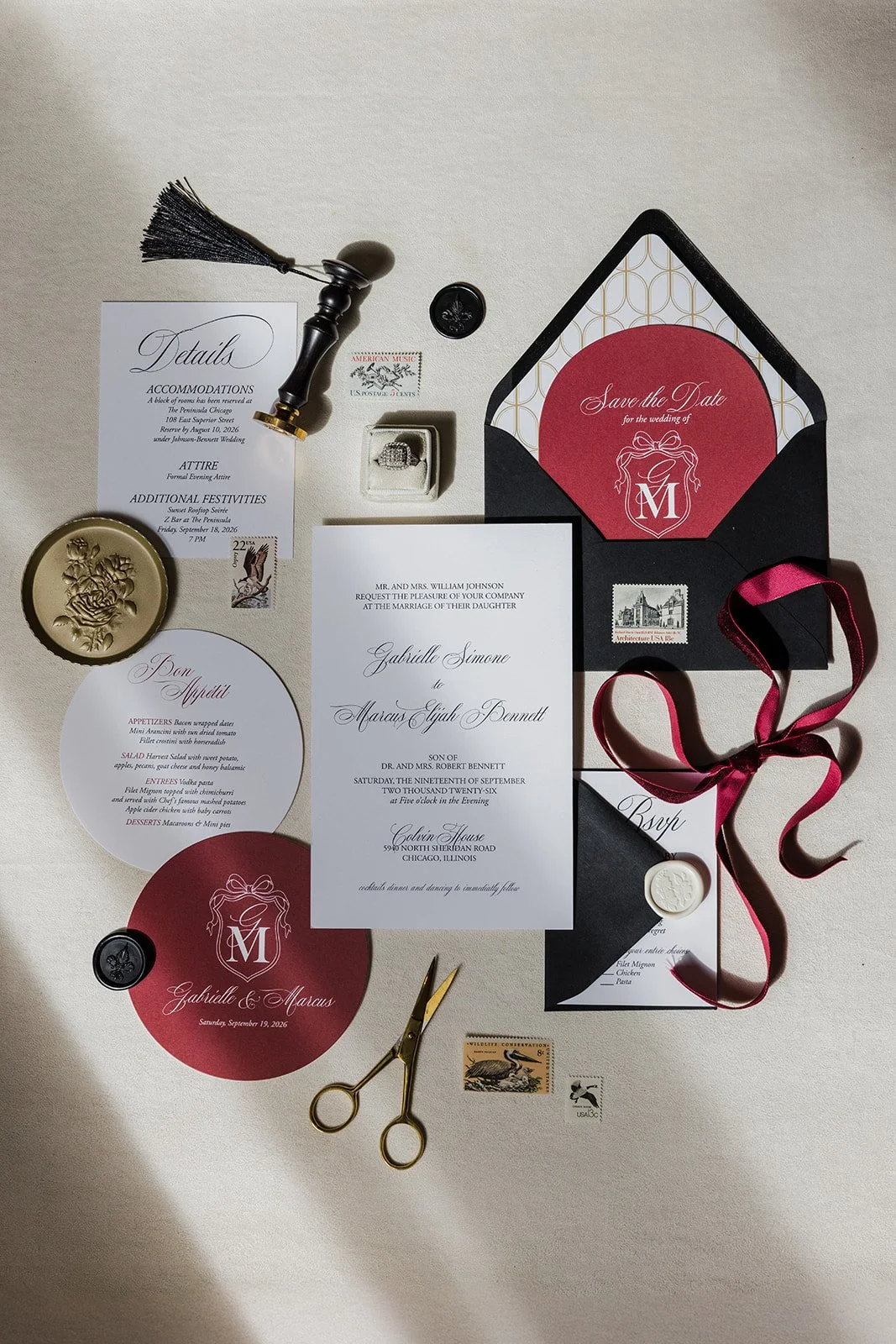
While a Save the Date announces the wedding, the invitation officially invites guests to attend.
This is the piece that provides the details guests need to celebrate with you.
Wedding invitations typically include:
The couple's names
Ceremony date
Ceremony time
Ceremony location
RSVP instructions
RSVP deadline
Additional event details when applicable
Reception information
In many ways, the invitation serves as the roadmap for your wedding day. It tells guests where to be, when to arrive, and how to respond.
When Should Wedding Invitations Be Sent?
Most wedding invitations are mailed 2 to 4 months before the wedding.
For destination weddings, invitations are often mailed 3 to 4 months before the wedding.
This timing gives guests enough time to finalize travel arrangements while allowing you enough time to receive RSVPs, confirm guest counts, and finalize details with your venue and vendors.
Do You Need Both?
The good news is that there isn't a one-size-fits-all answer.
Some weddings benefit greatly from Save the Dates, while others can move straight to invitations without any issues.
The right choice often comes down to your timeline, guest list, and how much planning your guests will need to do before the wedding.
Consider Sending Save the Dates If:
Many guests will be traveling
You are planning a destination wedding
Your wedding falls on a holiday weekend
You have guests coming from multiple states
Your engagement is longer than six months
Hotel blocks need to be reserved early
In these situations, advance notice can make a significant difference for your guests.
You May Not Need Save the Dates If:
Most guests live locally
Your engagement is relatively short
Invitations will be mailed within a few months
Travel requirements are minimal
For example, if you're planning a wedding that's only four or five months away, it may make more sense to focus on invitations rather than adding another mailing to your timeline.
Common Mistakes Couples Make
Even with the best intentions, there are a few mistakes couples commonly make when planning their wedding stationery.
Sending Save the Dates Before Finalizing the Guest List
Once a Save the Date is sent, guests naturally expect to receive an invitation.
Taking a little extra time to finalize your guest list first can help prevent awkward situations later.
Waiting Too Long to Send Save the Dates
The purpose of a Save the Date is to give guests advance notice. Sending them too close to the wedding limits their usefulness, particularly for guests who need to travel.
Including Too Much Information
Save the Dates are meant to be simple.
You don't need RSVP cards, meal selections, or detailed schedules. Those details belong with the invitation.
Assuming Save the Dates Replace Invitations
This is one of the most common misconceptions.
A Save the Date is not a substitute for a wedding invitation. Guests still need the formal invitation containing your wedding details and RSVP information.
Final Thoughts
When deciding between Save the Dates and wedding invitations, it’s helpful to remember that they are not competing pieces. They work together beautifully, almost like a cake and ice cream.
A Save the Date helps guests plan ahead. A wedding invitation provides the details needed to celebrate with you.
Together, they create a thoughtful communication experience that keeps your guests informed, prepared, and excited for what’s ahead.
For many guests, your Save the Date or invitation is their first glimpse into the celebration you’ve been planning. We explore this idea further in The First Impression of Your Wedding Starts on Paper, where we discuss how stationery helps set expectations and introduce the experience ahead.
By understanding the role of each piece, you can create a stationery plan that supports both your wedding timeline and your guests’ experience from the very beginning.
About the Author
Candice Morales is the founder and creative director of Adorable Designs, a Chicago wedding invitation studio serving couples who appreciate the art of paper. She specializes in custom invitation suites designed to set the tone for an elevated, an unforgettable celebration.
Follow along on Instagram: @adorablestationery
PHOTOGRAPHER CREDIT Madi Ellis Photography