The Wedding Industry Has Been Studying Brides
The Wedding Industry Has Been Studying Brides, Just Not Black Ones. So We Collected Our Own Data
Written by Curator Nicole Bijou, owner of Nicki Rouge Bridal Team
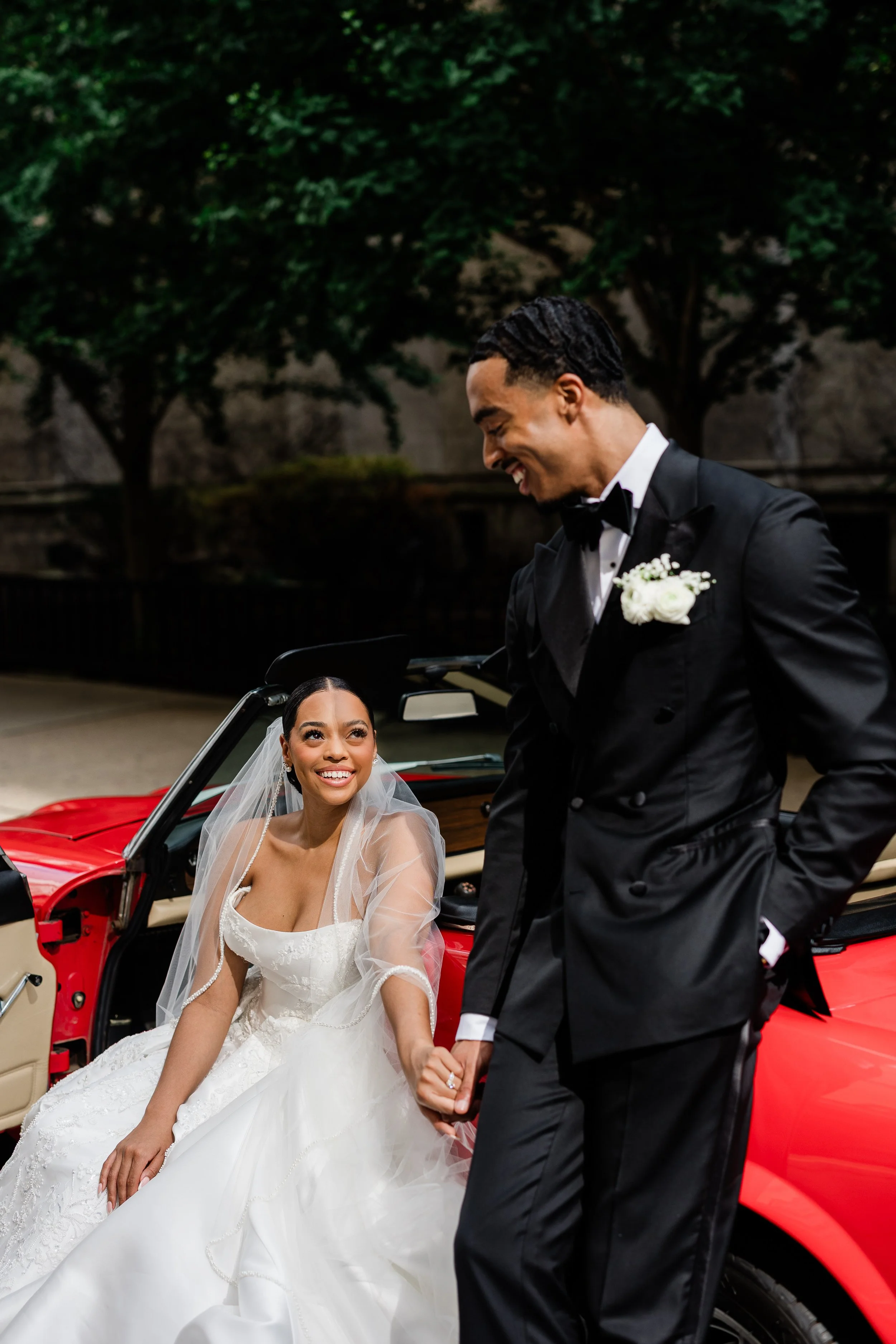
“The problem is that most of this data was never built with Black brides at the center. Not intentionally excluded, just overlooked in the process.”
Every year, the wedding industry publishes reports: spending trends, booking behavior, consumer insights. These publications are treated as the authority on how couples plan, budget, and make decisions. Wedding professionals use them to set pricing. Vendors use them to shape marketing strategies. Brides use them to benchmark their own planning.
The problem is that most of this data was never built with Black brides at the center. Not intentionally excluded, just overlooked in the process.
In an industry where data drives decisions, not being centered in the data means your habits, priorities, spending patterns, and decision-making are either left out entirely or blended into averages that do not reflect your real experience.
When Black brides turn to traditional wedding publications to understand what beauty services should cost, how far in advance to book, or what the average bridal party experience looks like, they are consulting a dataset that was largely built around someone else’s wedding. The recommendations may not fit. The benchmarks may not apply. The vendors ranked highest in those directories may not be the ones best equipped to serve them.
At Nicki Rouge Bridal Team, our internal intake data from Black bridal inquiries told a fundamentally different story from what traditional industry reports suggest. That data is worth paying attention to. Instagram accounted for 38% of how Black brides found us, making it the single largest source by a wide margin. Combined client and vendor referrals accounted for another 30%. That means nearly 70% of inquiries came through trust networks and visual proof, not search rankings or directory listings. Google represented only 9%. TikTok, 6%.
Black consumers already over-index in beauty spending nationally. According to McKinsey & Company, Black consumers account for 11.1% of total beauty spending despite representing a significantly smaller share of the U.S. population. The bridal industry continues applying generalized data to a demographic that has never shopped in generalized ways.
The bridal beauty industry has historically underserved Black clients in shade ranges, textured hair expertise, luxury representation, and training. Black brides adapted. They built their own vetting systems. They rely on women who look like them, planners they trust, and artists whose entire feed serves as evidence.
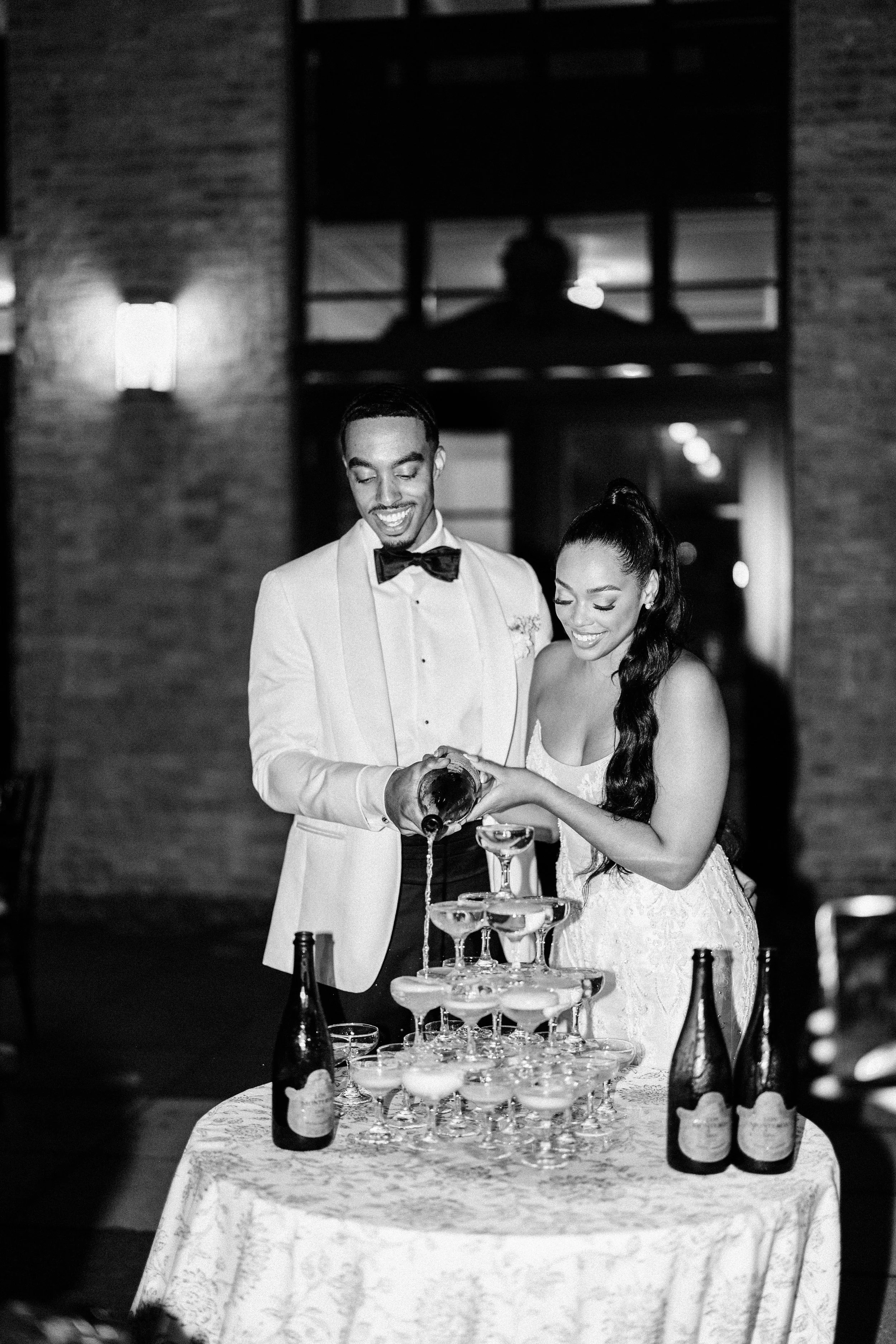
“For many Black brides, beauty is not a secondary wedding category. It is one of the most carefully evaluated investments of the entire day.”
For many Black brides, beauty is not a secondary wedding category. It is one of the most carefully evaluated investments of the entire day. The margin for error is higher. The correction costs are higher. The pool of genuinely experienced professionals is smaller. The stakes on one of the most photographed days of your life are real.
Our data also pushed back on some of the assumptions the industry makes about what Black brides want. Full glam and neutral glam were the dominant requests, and neutral does not mean minimal. It means polished, bronzed, blended, editorial in a softer color story. Still full face. Still intentional. Loose curls and Hollywood waves ranked as the most requested hairstyles.
The technical complexity behind those requests is worth naming. Most of our brides came in with extensions as a standard expectation, not a premium add-on. Bridal parties regularly included multiple curl patterns, varying heat tolerances, different extension textures, and protective style considerations, all within strict wedding-day timelines.
Working confidently across deeper skin tones, textured hair, lace customization, humidity resistance, and long-wear performance under flash photography requires a specific level of expertise that standard marketplace comparisons do not account for.
As part of our intake process, we ask every bride to submit Pinterest boards, celebrity references, and detailed inspiration photos before their consultation. Our process is deliberately structured and intentional, designed specifically around the needs of each bride so that by the time she arrives, her vision is clearly defined and her expectations are professionally documented.
Most inquiries came in 6 to 18 months before the wedding date. These are not impulse decisions.
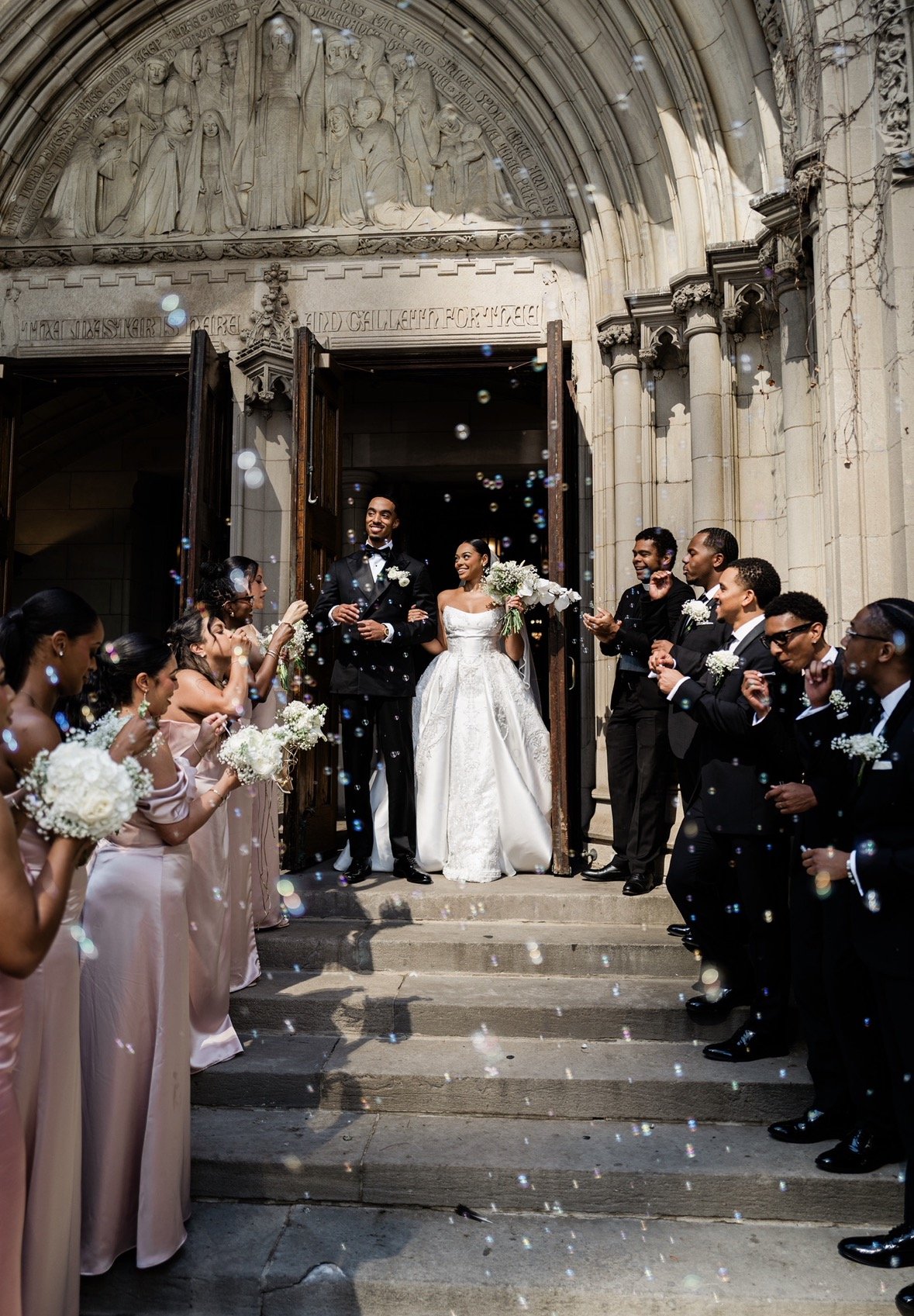
“For Black brides, it is a reminder that the benchmarks you have been handed were not written with your wedding in mind.”
This data matters.
For Black brides, it is a reminder that the benchmarks you have been handed were not written with your wedding in mind. They were not built from your experience. The average booking timeline was not. The average beauty budget was not. The average bridal party size was not. The average vendor search behavior was not.
Knowing that is power.
It means you can stop measuring your wedding against a standard that was never designed for you. It means you can start seeking out professionals who actually have data, experience, and expertise specific to you.
Ultimately, Black brides are not just asking whether an artist is talented. They are asking:
Can this artist competently execute on deeper skin tones and varying complexions?
Can this stylist efficiently manage textured hair, extension installation, and multiple curl patterns under a strict wedding-day timeline?
Does this vendor have a demonstrated and consistent track record of working with women who look like me?
Will every member of my bridal party receive the same level of skill and professionalism?
Can I trust this team to perform at the highest level when it matters most?
Those questions do not get answered by a marketplace ranking. They get answered by a tagged photo, a referral from a friend, a planner who has seen the work up close, and a feed that looks like you.
The wedding industry will not fully understand Black bridal beauty spending until it understands where Black brides actually place their trust. We have been in the room, doing the work, and collecting the receipts.
Photography by: Fox & Ivory